Get Swimming Pool Replastering in Richmond, VA
Swimming pool replastering services help Richmond property owners repair, restore, or upgrade pool surfaces affected by wear, cracks, or damage, ensuring a smooth, durable finish for ongoing enjoyment.
If you're considering reapplying plaster to a swimming pool in Richmond, VA, you're in the right place to explore your options. Pool replastering is a practical project that can enhance the appearance of your outdoor space, improve the durability of your pool surface, and help maintain water quality. Property owners often look into this work when preparing for seasonal use, addressing surface wear and tear, or simply updating the look of their pool area. Comparing local contractors who specialize in pool replastering can help you find the right fit for your project needs.
As you plan your pool renovation, understanding the services offered by nearby professionals can make the process smoother. Many local service providers have experience working with pools in Richmond’s climate and environment, ensuring that the work aligns with regional conditions. Keep reading to learn more about how local contractors can assist with your pool replastering project and what factors to consider when evaluating your options.
- Residential Pool Replastering - needed when a homeowner in neighborhoods like Carytown or Church Hill notices surface deterioration or discoloration.
- Commercial Pool Replastering - required for public or private facilities in Richmond, VA that need to restore pool surfaces for safety and appearance.
- Pool Renovation Projects - appropriate when upgrading older pools in areas such as the West End or Northside to improve durability and aesthetics.
- Leak Repair and Surface Restoration - necessary if local contractors identify leaks or surface damage that compromise pool integrity.
- Pool Surface Resurfacing - sought after when a pool’s finish becomes rough or worn, impacting usability in neighborhoods like Fan District or Scott’s Addition.
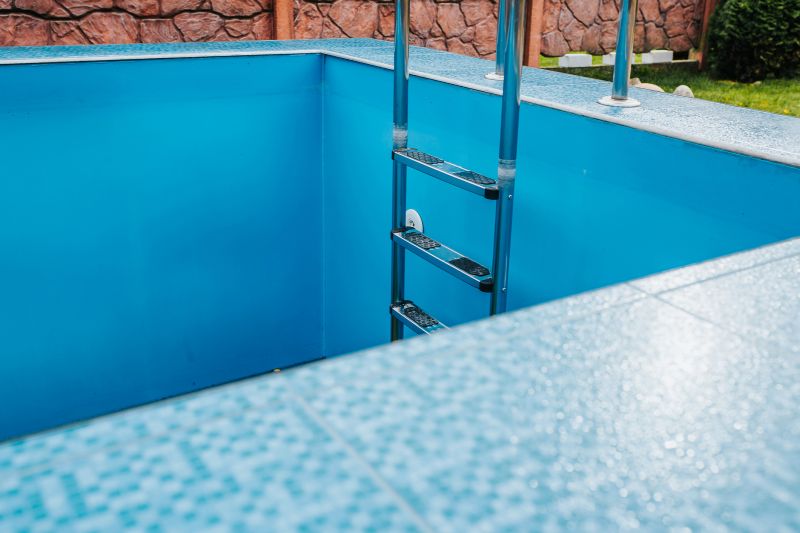
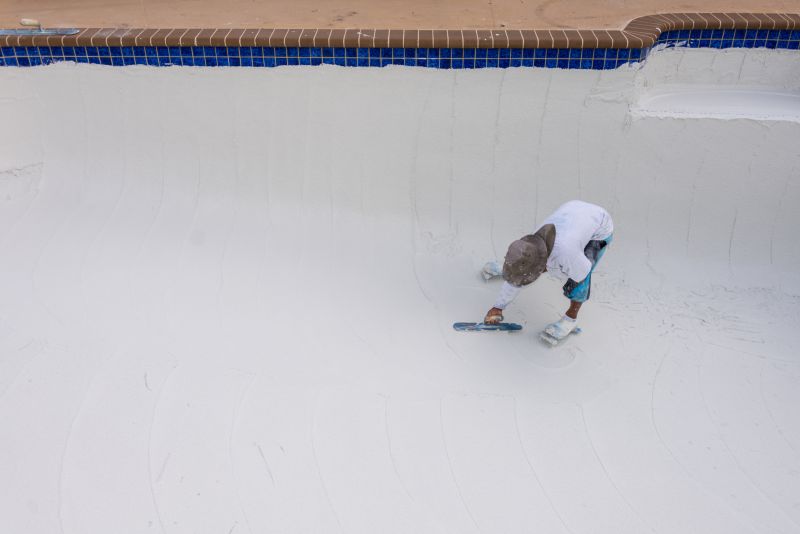
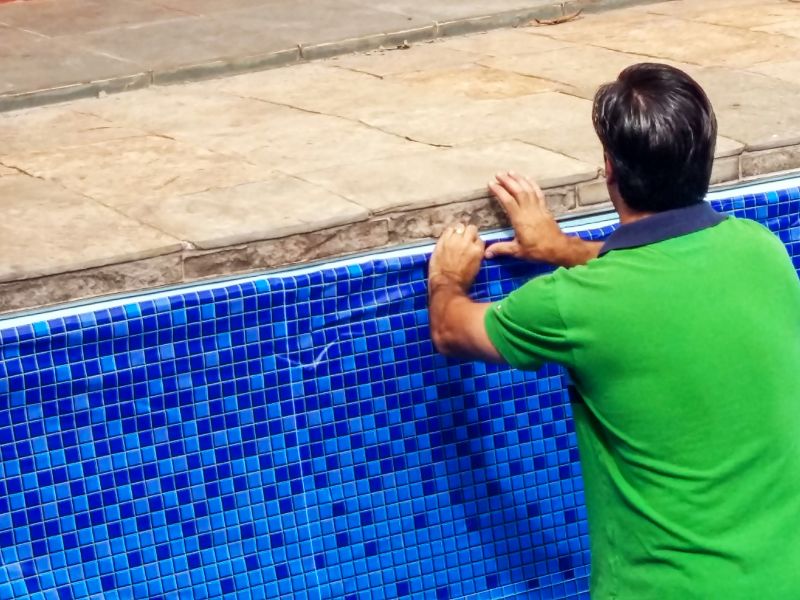
Swimming pool replastering services involve removing the old, worn-out surface of a pool and applying a fresh layer of plaster or similar material. This process not only improves the appearance of the pool but also helps restore its smoothness and structural integrity. Replastering is typically recommended when the existing surface begins to show signs of deterioration, such as cracking, staining, or roughness, which can affect the pool’s functionality and aesthetic appeal. Experienced service providers use quality materials and techniques to ensure a durable finish that can extend the life of the pool and enhance its overall look.
Many common problems can signal the need for pool replastering. These include persistent staining that cannot be cleaned, rough or chipped surfaces, and visible cracks or peeling areas. Water leakage or uneven water levels can also indicate that the existing plaster has become compromised. Over time, exposure to chemicals, weather, and regular use can cause the surface to degrade, leading to a less inviting swimming environment. Replastering helps address these issues by providing a smooth, sealed surface that prevents water loss, reduces staining, and improves the pool’s appearance.
Replastering services are often used for residential properties, including private homes with backyard pools, as well as for community pools in apartment complexes or recreational centers. These properties typically have pools that have been in use for several years and are showing signs of aging. Replastering can be a practical solution for homeowners and property managers looking to extend the lifespan of their pools without the need for costly replacements. It is also suitable for pools that require a cosmetic refresh to enhance curb appeal and ensure a clean, inviting swimming environment.
Homeowners who notice their pool’s surface is rough, stained, or cracked may find that replastering is a suitable solution. It can also be a good option after repairs to the pool’s structure or plumbing, helping to restore the pool’s surface to a like-new condition. Service providers in the area can assess the condition of a pool’s surface and recommend whether replastering is the right step. This service can help property owners maintain a safe, attractive, and functional pool that provides enjoyment for years to come.
The overview below groups typical Swimming Pool Replastering projects into broad ranges so you can see how smaller, mid-sized, and larger jobs often compare in Richmond, VA.
In many markets, a large share of routine jobs stays in the lower and middle ranges, while only a smaller percentage of projects moves into the highest bands when the work is more complex or site conditions are harder than average.
Smaller Repairs - For routine retexturing or minor surface fixes, local contractors typically charge between $250 and $600. Many projects fall within this range, especially for smaller pools or localized repairs.
Standard Replastering - Replastering a typical residential pool often costs between $2,500 and $5,000. This range covers most mid-sized projects and is common for pools with standard surfaces and features.
Larger or Complex Projects - Larger pools or those with custom finishes can see costs reaching $6,000 to $10,000 or more. Fewer projects fall into this high-cost tier, usually involving additional features or extensive surface prep.
Full Pool Replacements - Complete reapplications, including surface removal and new plaster, generally range from $8,000 to $15,000+. These projects are less frequent and involve significant labor and material costs.
Actual totals will depend on details like access to the work area, the scope of the project, and the materials selected, so use these as general starting points rather than exact figures.
Concrete resurfacing projects involve repairing and finishing surfaces with similar tools and planning techniques used in pool replastering, making them a relevant comparison for local contractors.
Spa remodeling services require expertise in waterproofing, surface preparation, and finishing, aligning closely with skills needed for pool replastering projects.
Waterproofing and sealing applications involve surface preparation and application techniques that are similar to those used in reapplying pool finishes and coatings.
Fountain restoration projects involve surface repair, sealing, and finishing work that shares common skills with pool replastering tasks.
Tile and grout repair services require surface preparation and precision finishing, paralleling the skills needed for retiling or resurfacing pool areas.
Concrete staining and decorative finishes involve surface preparation and finishing techniques that are applicable to enhancing pool surfaces after replastering.
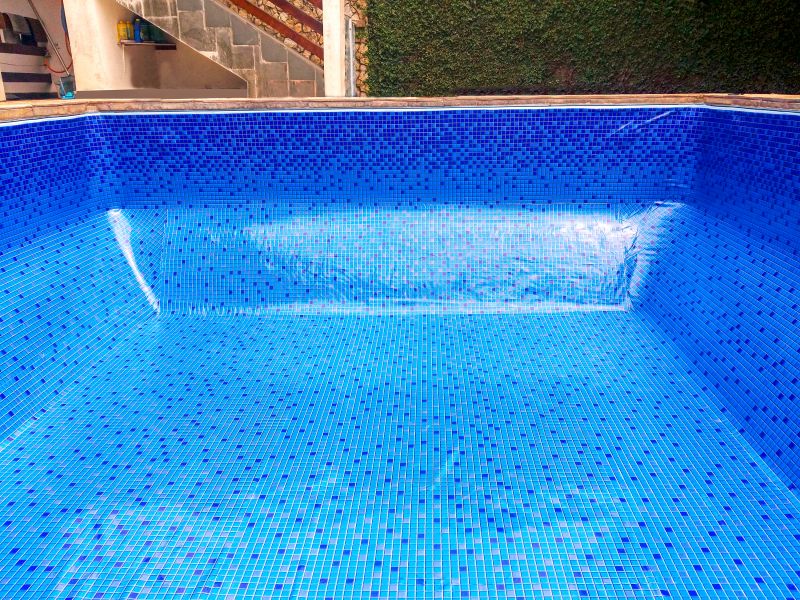
When comparing service providers for swimming pool replastering in Richmond, VA, it’s important to consider their experience with similar projects. Homeowners should look for contractors who have a proven track record of handling pool replastering jobs comparable in size and scope. An experienced professional is likely to understand the nuances of different plaster materials, surface preparation, and finishing techniques, which can impact the longevity and appearance of the pool. Asking for examples of past work or references from previous clients can provide insight into their familiarity with projects like yours and help ensure the selected contractor has the practical know-how needed for a quality outcome.
Clear and detailed written expectations are essential when choosing a local contractor for pool replastering. Homeowners should seek service providers who can provide a comprehensive scope of work, including surface preparation, materials used, and the finishing process. Having these details documented helps prevent misunderstandings and ensures everyone is aligned on the project’s goals. It’s also beneficial to inquire about the contractor’s process for handling unexpected issues or changes during the job, as well as how they communicate progress and address questions throughout the project. Transparent communication and well-defined expectations can make the experience smoother and more predictable.
Reputable references and good communication are key factors in selecting a dependable pool replastering contractor. Homeowners are encouraged to ask for references from previous clients who had similar work done, and to follow up with those references to learn about their experiences. A service provider who maintains open lines of communication and responds promptly to inquiries demonstrates professionalism and respect for the client’s needs. These qualities can contribute to a more positive project experience and increase confidence that the contractor will deliver satisfactory results. It’s important to remember that the site introduces homeowners to local options, helping to connect with qualified service providers rather than performing the work directly.
Property owners in Richmond, VA use Swimming Pool Replastering services for practical projects around their homes and businesses. This guide focuses on everyday jobs and straightforward project options.
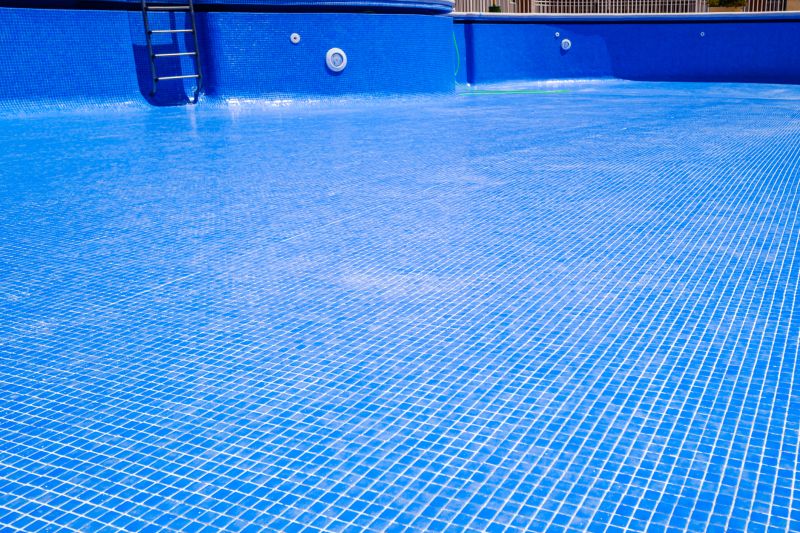
Property owners in Richmond, VA often seek swimming pool replastering services when their existing pool surface begins to show signs of wear, such as rough patches, discoloration, or cracks. Over time, exposure to the elements and regular use can cause the plaster to deteriorate, leading to a less appealing appearance and potential issues with water retention. Local contractors who specialize in pool replastering can help restore the surface, improving both the aesthetic appeal and functionality of the pool.
Additionally, homeowners may consider replastering if they are planning to upgrade or refresh their backyard space. A newly replastered pool can provide a smooth, clean surface that enhances the overall look of the outdoor area. Service providers in the Richmond area are experienced in handling various pool surface repairs and renovations, making it easier for property owners to find a professional who can address their specific needs and help extend the life of their pool.
What is involved in swimming pool replastering? Replastering a pool involves removing the old surface and applying a new layer of plaster to restore its appearance and functionality.
How can I tell if my pool needs replastering? Signs include visible cracks, rough texture, discoloration, or areas where the plaster is peeling or chipping.
Are there different types of plaster for pool surfaces? Yes, options include traditional plaster, quartz finishes, and pebble finishes, each offering different looks and durability.
Can local contractors customize the pool finish during replastering? Many service providers offer various finishes and textures to match aesthetic preferences and performance needs.
What preparations are needed before a pool replastering project? Typically, the pool must be drained, cleaned thoroughly, and any existing damage assessed to ensure proper surface adhesion.
Extend the lifespan of a pool by having a professional recoat and resurface the interior to prevent cracks and damage.
Improve water quality and appearance through a fresh, smooth plaster finish that enhances the pool’s overall look.
Address existing damage by restoring rough or stained surfaces to ensure a safe and inviting swimming environment.
Update the style of a pool with a new plaster color or texture to match changing outdoor décor or personal preferences.
If you are thinking about Swimming Pool Replastering for a property in Richmond, VA, this guide is meant to help you understand the work, the typical project types, and how different options might fit your plans.
When you are ready, you can use the quote form on this page to share a few details about your project. From there, local pros can review the basics and respond with options that match what you have in mind.