Get Pool Algae Removal
Local contractors offer algae removal services to clear green, slimy buildup from pools, restoring clarity and safety for enjoyable swimming experiences.
If your pool has developed unsightly algae growth, you're in the right place to explore effective removal options. Property owners in the area often face challenges with algae buildup due to factors like warm weather, frequent use, or insufficient circulation. Finding reliable local contractors who specialize in algae removal can help restore your pool’s clarity and safety, making it more inviting for relaxation and recreation. Keep reading to learn how professional services can support your pool maintenance needs and help you compare your options.
Planning a pool cleaning project involves understanding the scope of algae issues and selecting the right local service providers for the job. Many property owners seek out experienced contractors who can deliver thorough algae removal, ensuring their pools stay clean and healthy. By exploring local options, you can find the right fit for your specific needs and preferences, making it easier to maintain a pristine swimming environment. Continue reading to discover how to connect with trusted professionals in your area.
- Pool Algae Removal - when algae growth has turned the water green or cloudy, affecting swim quality.
- Pool Algae Removal - if algae has formed on pool surfaces, walls, or steps, making cleaning difficult.
- Pool Algae Removal - during routine maintenance to prevent algae from spreading or causing staining.
- Pool Algae Removal - after a pool has been unused for an extended period, leading to algae buildup.
- Pool Algae Removal - when algae blooms occur due to poor water circulation or chemical imbalance.
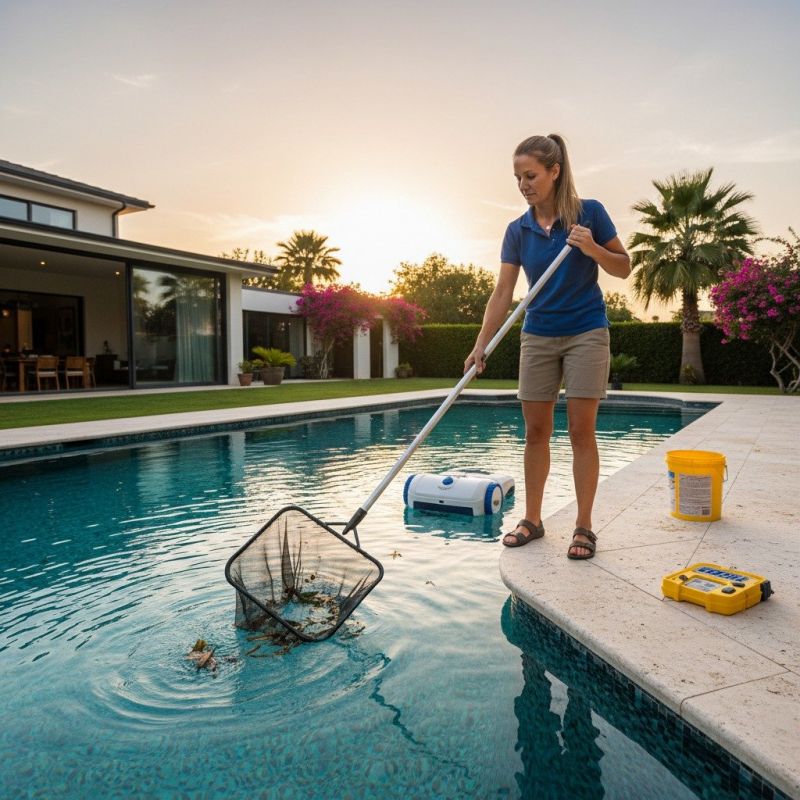
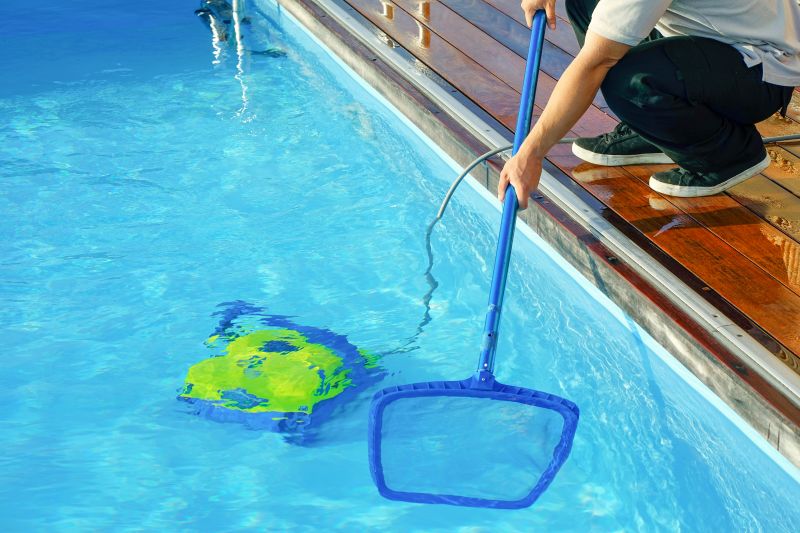
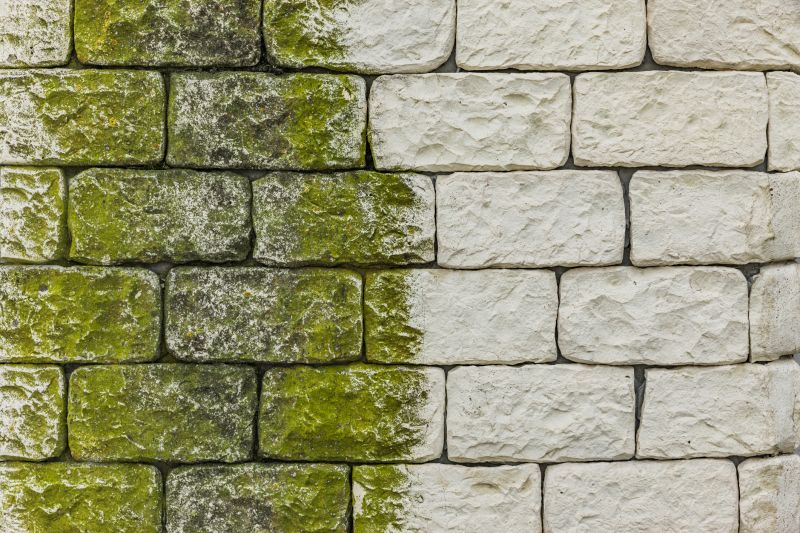
Pool algae removal services involve the careful cleaning and treatment of a swimming pool to eliminate algae growth on the surfaces and in the water. This process typically includes brushing the pool walls and floor to dislodge algae, followed by the application of specialized cleaning agents or algaecides. In some cases, service providers may also perform water balancing and filtration to ensure the pool remains clear and free of algae after the initial removal. These services help restore the pool’s appearance and maintain a safe, inviting environment for swimmers.
Algae growth in pools can lead to a range of problems, including cloudy water, slippery surfaces, and unsightly green or black patches that detract from the pool’s aesthetic appeal. If left untreated, algae can also cause staining and damage to the pool’s surfaces and equipment. Regular algae removal helps prevent these issues, ensuring the water stays clean and clear. It is especially important during warmer months or in pools that are not used frequently, as these conditions promote algae growth.
The types of properties that typically require algae removal services include residential homes with private swimming pools, community pools in apartment complexes, and recreational facilities such as hotels or gyms. These properties often prioritize maintaining a clean and visually appealing pool area for residents, guests, or customers. Additionally, pools that have experienced recent algae outbreaks or those that have not been properly maintained may need professional algae removal to restore water quality and prevent future growth.
Homeowners or property managers should consider algae removal services when noticing greenish water, slimy pool surfaces, or cloudy water that refuses to clear despite regular filtration. These signs indicate that algae has taken hold and professional cleaning is needed to effectively eliminate it. Contacting local contractors who specialize in pool cleaning and maintenance can help address these issues promptly, ensuring the pool remains inviting, safe, and visually appealing for all users.
The overview below groups typical Pool Algae Removal projects into broad ranges so you can see how smaller, mid-sized, and larger jobs often compare in your area.
In many markets, a large share of routine jobs stays in the lower and middle ranges, while only a smaller percentage of projects moves into the highest bands when the work is more complex or site conditions are harder than average.
Smaller Algae Treatments - most local pros charge between $250 and $600 for routine algae removal on residential pools. These projects typically involve surface cleaning and algae removal from the water. Many jobs fall within this range, though costs can vary based on pool size and algae severity.
Moderate Algae Removal - larger or more persistent algae issues often cost between $600 and $1,200. These projects may require additional chemicals or equipment and are common for pools with significant algae buildup. Fewer projects reach the higher end of this range.
Extensive or Deep Cleaning - complex algae removal, including thorough cleaning and treatment, can range from $1,200 to $2,500. Such projects are typical for pools with extensive algae growth or older systems needing detailed work. Larger, more involved jobs can sometimes exceed this range.
Full Pool Restoration - in cases where algae has caused damage or the pool requires complete overhaul, costs can reach $5,000 or more. These larger projects are less common and often involve multiple services beyond algae removal, such as equipment upgrades or surface resurfacing.
Actual totals will depend on details like access to the work area, the scope of the project, and the materials selected, so use these as general starting points rather than exact figures.
Swimming Pool Maintenance - Professionals skilled in routine cleaning and chemical balancing can often handle algae removal as part of regular pool upkeep.
Water Feature Cleaning - Contractors experienced in cleaning fountains, ponds, and water features use similar tools and techniques to remove algae buildup.
Spa and Hot Tub Cleaning - Local service providers who clean and maintain spas are familiar with algae control and water sanitation methods applicable to pools.
Liner and Surface Restoration - Specialists who restore pool linings and surfaces often address algae issues during surface cleaning and repairs.
Pool Equipment Servicing - Technicians who service pumps, filters, and circulation systems have skills relevant to controlling algae growth through proper water flow management.
Water Testing and Treatment - Experts in water analysis and chemical treatment can identify algae sources and recommend appropriate removal strategies.
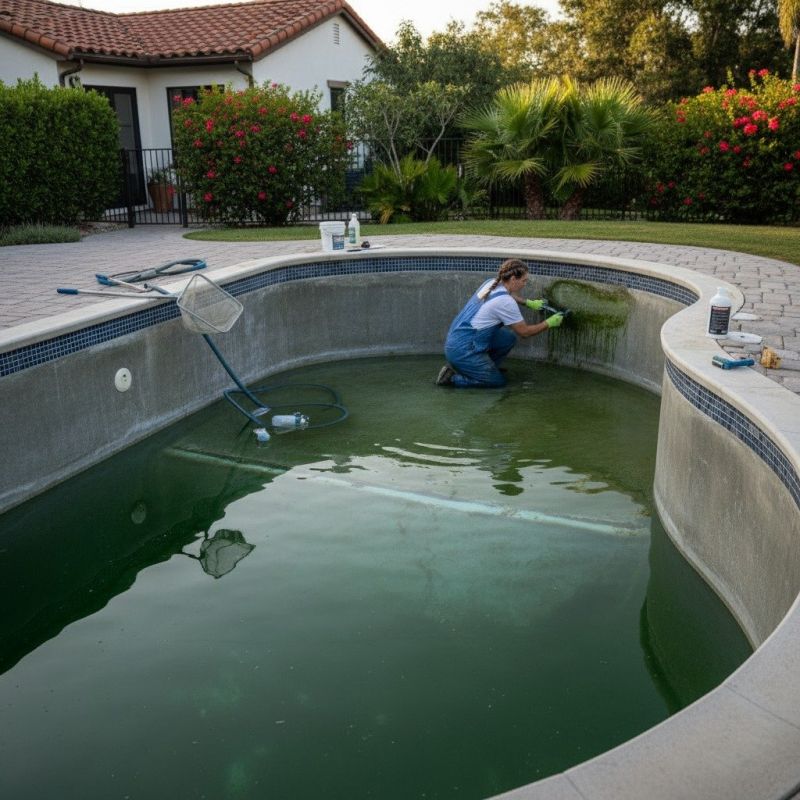
When evaluating potential service providers for pool algae removal, it’s important to consider their experience with similar projects. Homeowners should inquire about how long the contractor has been working in the pool maintenance field and whether they have handled algae removal specifically. A contractor with a solid track record of successfully treating pools with algae issues can often provide more reliable results. Additionally, asking for examples of past work or references related to algae removal can help gauge their familiarity with different types of pools and algae problems, ensuring they have the practical knowledge needed to address the specific challenges of each job.
Clear, written expectations are essential to avoid misunderstandings and ensure the project proceeds smoothly. Homeowners should seek service providers who can offer detailed descriptions of the process, including the steps involved in algae removal, the products used, and any necessary follow-up treatments. Having a well-defined scope of work in writing helps set realistic expectations and provides a basis for comparing different local contractors. It’s also beneficial to ask about the scope of services included, so there are no surprises or hidden costs down the line.
Reputable references and good communication are key factors in selecting a dependable contractor. Homeowners should request references from previous clients who had similar algae issues and follow up to learn about their experiences. Effective communication-such as responsiveness to questions and clarity in explanations-can make the entire process more transparent and less stressful. While this site introduces homeowners to local options, it’s important to remember that the actual work is performed by qualified service providers. Taking the time to compare their experience, expectations, and reputation can help ensure a successful algae removal project.
Property owners use Pool Algae Removal services for practical projects around their homes and businesses. This guide focuses on everyday jobs and straightforward project options.
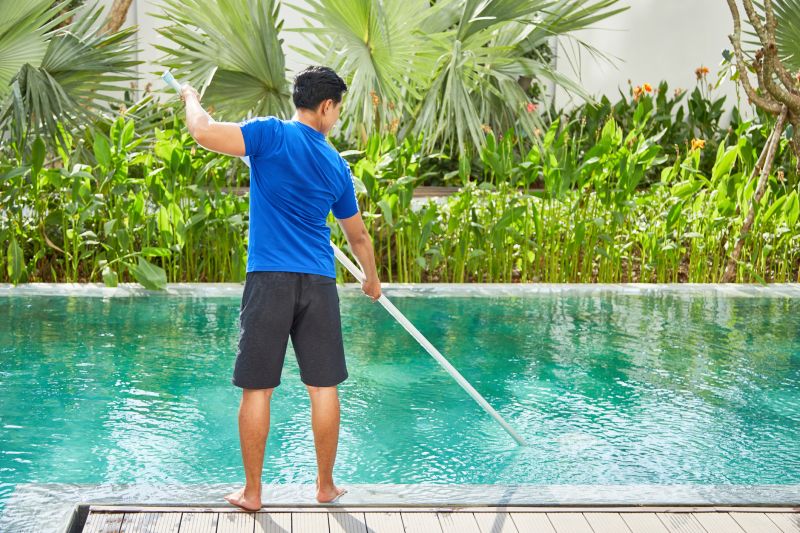
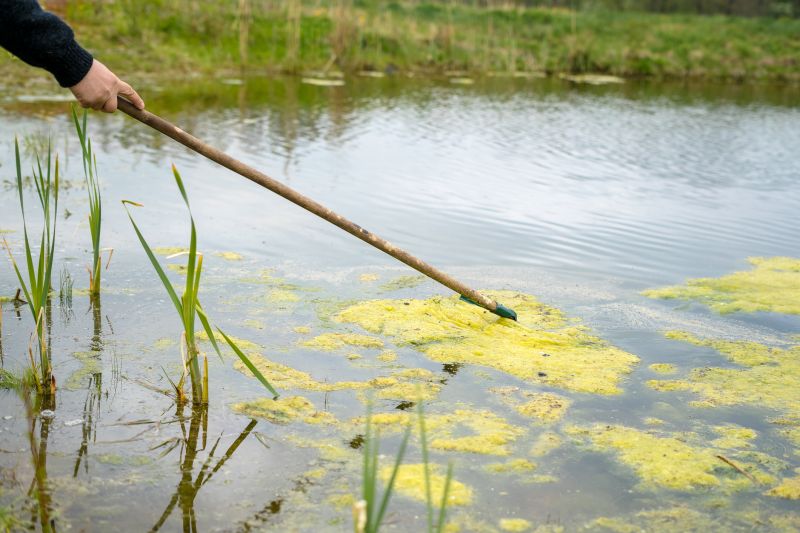
Pool algae buildup can become a common issue for property owners who want to maintain a clean and inviting swimming environment. When algae start to grow on the pool’s surface, it can make the water look cloudy or green, discouraging regular use and potentially leading to more complex cleaning tasks. Local contractors specializing in algae removal are often called upon to restore clarity and ensure the pool remains safe and appealing for family gatherings, parties, or everyday relaxation.
Many property owners seek algae removal services after noticing changes in water quality or appearance, especially during warmer months when algae tend to thrive. Whether due to insufficient circulation, imbalanced chemicals, or seasonal shifts, algae can quickly take over a pool if not addressed promptly. Local service providers are available to handle these situations, helping owners keep their pools clean and well-maintained with professional algae removal solutions.
What causes algae to grow in pools? Algae growth in pools is typically caused by excess nutrients, sunlight, and inadequate circulation or sanitation, which create favorable conditions for algae to thrive.
How can I tell if my pool has algae? Signs of algae include a green, cloudy, or slimy appearance on the water surface or pool walls, along with a musty smell and reduced water clarity.
What methods do local contractors use to remove pool algae? Service providers often use brushing, shocking the pool with high chlorine levels, and filtration to eliminate algae, followed by chemical treatments if necessary.
Are there preventive steps to avoid algae growth in my pool? Regular brushing, maintaining proper chemical levels, ensuring good filtration, and cleaning the pool regularly can help prevent algae from returning.
Can algae removal be combined with other pool maintenance services? Yes, many local contractors offer algae removal alongside cleaning, chemical balancing, and equipment checks to keep pools in good condition.
Prevent Pool Algae Growth - Regular algae removal services can help property owners keep their pools clear and inviting throughout the swimming season.
Prepare for Special Events - Scheduling algae removal before gatherings ensures a clean and safe environment for guests.
Maintain Pool Aesthetics - Consistent algae control helps preserve the visual appeal of the pool area, enhancing outdoor living spaces.
Protect Pool Equipment - Removing algae buildup can prevent damage to filters and pumps, supporting the longevity of pool systems.
If you are thinking about Pool Algae Removal for a property, this guide is meant to help you understand the work, the typical project types, and how different options might fit your plans.
When you are ready, you can use the quote form on this page to share a few details about your project. From there, local pros can review the basics and respond with options that match what you have in mind.